Top Bathroom Remodeling Mistakes Homeowners Make (And How to Avoid Them)
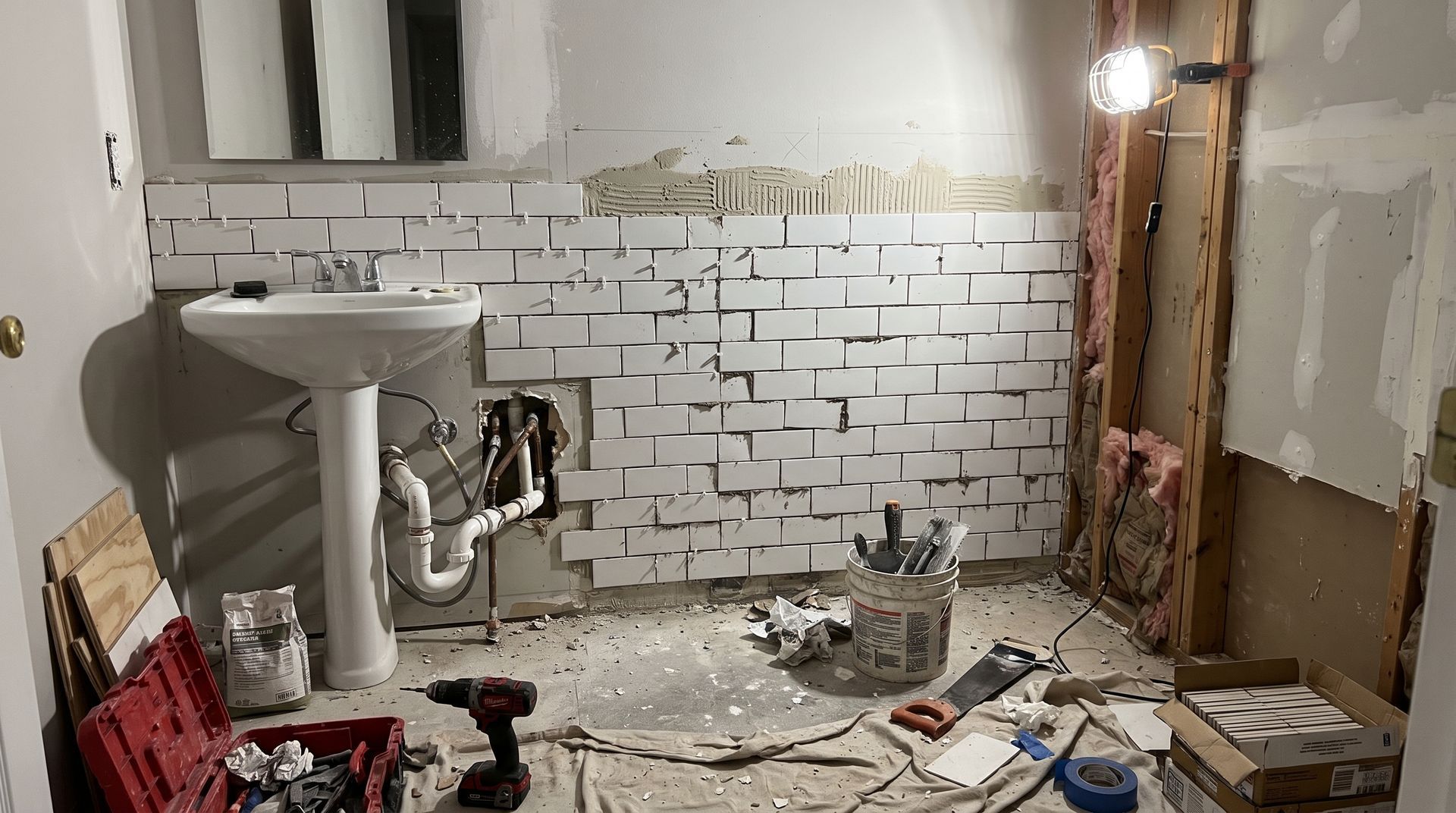
A bathroom remodel can improve comfort, functionality, and home value, but even small mistakes can lead to expensive repairs, project delays, and disappointing results. Whether you're updating a powder room, renovating a guest bathroom, or transforming a primary suite, proper planning is essential. Many Connecticut homeowners begin bathroom remodeling projects with great intentions, only to encounter avoidable issues that increase costs and complicate construction.
The good news is that most bathroom remodeling mistakes can be prevented with careful preparation and the help of an experienced contractor. Understanding the most common pitfalls can help you make smarter decisions and achieve a bathroom you'll enjoy for years to come.
Why Bathroom Remodeling Requires Careful Planning
Bathrooms are among the most complex rooms in a home.
They combine:
- Plumbing systems
- Electrical work
- Ventilation
- Waterproofing
- Flooring
- Tile installation
- Cabinetry
Because so many systems work together in a relatively small space, mistakes can quickly become costly.
Proper planning helps ensure:
- Better functionality
- Improved durability
- Code compliance
- Greater return on investment
Mistake #1: Focusing Only on Appearance
Many homeowners prioritize aesthetics while overlooking functionality.
While beautiful finishes are important, your bathroom should also support daily use.
Consider factors such as:
- Storage needs
- Traffic flow
- Accessibility
- Cleaning requirements
- Lighting quality
A stunning bathroom that lacks practical functionality often leads to long-term frustration.
Mistake #2: Ignoring Ventilation
Ventilation is one of the most overlooked aspects of bathroom remodeling.
Without proper ventilation, moisture can lead to:
- Mold growth
- Mildew buildup
- Peeling paint
- Damaged drywall
- Reduced indoor air quality
According to the Environmental Protection Agency, controlling moisture is critical for maintaining healthy indoor environments.
External Resource:
[EPA Mold and Moisture Guide – https://www.epa.gov/mold]
Installing a properly sized exhaust fan can help prevent future moisture-related issues.
Mistake #3: Choosing Style Over Durability
Bathrooms experience daily exposure to:
- Water
- Humidity
- Temperature fluctuations
- Heavy foot traffic
Not all materials are suitable for these conditions.
Common mistakes include selecting:
- Low-quality flooring
- Porous surfaces
- Inappropriate paint products
- Cheap fixtures
Choosing durable, moisture-resistant materials often saves money in the long run.
Mistake #4: Underestimating Storage Needs
Insufficient storage is one of the most common complaints after a bathroom remodel.
Before finalizing your design, consider storage for:
- Towels
- Toiletries
- Cleaning supplies
- Personal care products
Popular storage solutions include:
- Custom vanities
- Built-in shelving
- Linen cabinets
- Recessed niches
Thoughtful storage planning improves organization and everyday convenience.
Mistake #5: Poor Lighting Design
Lighting dramatically affects both functionality and appearance.
Many older bathrooms rely on a single overhead fixture, creating shadows and uneven illumination.
A well-designed bathroom typically includes:
Ambient Lighting
Provides general room illumination.
Task Lighting
Improves visibility around mirrors and vanities.
Accent Lighting
Highlights architectural or decorative features.
Layered lighting creates a brighter, more comfortable space.
Mistake #6: Not Planning for the Future
Many homeowners design bathrooms based solely on current needs.
However, long-term planning can provide significant benefits.
Consider:
- Aging-in-place features
- Accessibility improvements
- Future resale value
- Growing family needs
Features such as walk-in showers and wider doorways can improve usability for years to come.
Mistake #7: Choosing the Cheapest Contractor
Budget matters, but selecting a contractor based solely on price can create problems.
Extremely low bids may indicate:
- Inexperienced labor
- Inferior materials
- Incomplete project scopes
- Lack of insurance
The lowest estimate is not always the best value.
Homeowners should evaluate:
- Experience
- Reviews
- Licensing
- References
- Communication
Hiring a qualified contractor often prevents costly mistakes and repairs later.
Mistake #8: Skipping Waterproofing
Bathrooms are exposed to water every day.
Improper waterproofing can lead to:
- Rotting wood
- Mold growth
- Tile failure
- Structural damage
Critical waterproofing areas include:
- Showers
- Tub surrounds
- Floors
- Wall transitions
Professional installation helps protect your investment.
Mistake #9: Following Trends Without Considering Longevity
Trendy designs can be appealing, but some trends quickly become outdated.
When selecting finishes, consider:
- Timeless appeal
- Durability
- Future resale value
Neutral designs often remain attractive longer than highly specific design trends.
Many homeowners choose timeless foundations while incorporating trends through accessories and décor.
Mistake #10: Forgetting About Electrical Upgrades
Modern bathrooms often require more electrical capacity than older homes provide.
Common upgrades include:
- GFCI outlets
- Vanity lighting
- Heated flooring
- Smart mirrors
- Exhaust fans
Electrical improvements should always comply with current building codes.
Professional installation helps ensure safety and reliability.
Mistake #11: Poor Space Planning
Even large bathrooms can feel cramped if the layout is inefficient.
Common layout mistakes include:
- Inadequate clearance around fixtures
- Crowded walkways
- Oversized vanities
- Poor door placement
Professional design planning helps maximize functionality and comfort.
Mistake #12: Setting an Unrealistic Budget
Many remodeling projects exceed expectations because homeowners fail to budget appropriately.
A realistic budget should account for:
- Materials
- Labor
- Permits
- Design changes
- Unexpected issues
Most contractors recommend setting aside a contingency fund of 10%–20% for unforeseen expenses.
Mistake #13: Not Obtaining Necessary Permits
Depending on project scope, permits may be required for:
- Plumbing work
- Electrical upgrades
- Structural modifications
Permits help ensure construction meets safety standards and local regulations.
External Resource:
[Connecticut Department of Consumer Protection – https://portal.ct.gov/DCP]
Professional contractors can often assist with permit applications and inspections.
Bathroom Features That Add the Most Value
Connecticut homeowners frequently prioritize:
Walk-In Showers
Benefits include:
- Accessibility
- Modern appearance
- Easier maintenance
Double Vanities
Ideal for shared bathrooms and primary suites.
Energy-Efficient Fixtures
Help reduce water consumption and utility costs.
Quality Tile Work
Improves durability and enhances aesthetics.
Custom Storage
Provides practical benefits while improving overall organization.
Why Professional Bathroom Remodeling Matters
Bathroom remodeling requires expertise across multiple trades.
Professional contractors help ensure:
- Proper waterproofing
- Code compliance
- Efficient project management
- High-quality craftsmanship
- Long-lasting results
A professionally completed bathroom remodel often provides better value and fewer maintenance issues over time.
Why Homeowners Choose Hammer & Nails Construction
Hammer & Nails Construction provides professional bathroom remodeling services throughout Middletown, CT and nearby communities.
Services include:
- Bathroom renovations
- Tile installation
- Flooring upgrades
- Custom carpentry
- Painting
- Plumbing coordination
- General contracting
Their experienced team helps homeowners avoid costly mistakes while creating bathrooms that are beautiful, functional, and built to last.
Frequently Asked Questions
What is the biggest mistake homeowners make during bathroom remodeling?
Poor planning is often the biggest mistake, leading to budget overruns and functionality issues.
How much should I budget for unexpected expenses?
Most experts recommend setting aside 10%–20% of your project budget for contingencies.
Is waterproofing necessary behind tile?
Yes. Proper waterproofing protects walls and floors from moisture damage.
Should I remodel my bathroom before selling my home?
In many cases, an updated bathroom can improve buyer appeal and increase property value.
How long does a typical bathroom remodel take?
Most projects take between two and six weeks depending on complexity.
Ready to Remodel Your Bathroom the Right Way?
Avoiding common remodeling mistakes can save time, money, and frustration while helping you achieve the bathroom you've always wanted. Whether you're planning a simple update or a complete renovation, Hammer & Nails Construction can guide you through every step of the process.
Contact Hammer & Nails Construction today to schedule a consultation and start planning your bathroom remodel with confidence.
Recent Posts