Deck vs. Patio: Which Adds More Value to Your Connecticut Home?
If you're looking to improve your outdoor living space, you've likely considered adding either a deck or a patio. Both options can enhance your home's functionality, boost curb appeal, and increase property value. However, each offers unique advantages depending on your budget, property layout, maintenance preferences, and long-term goals. For Connecticut homeowners, the decision often comes down to which option delivers the best return on investment while providing the outdoor lifestyle they envision.
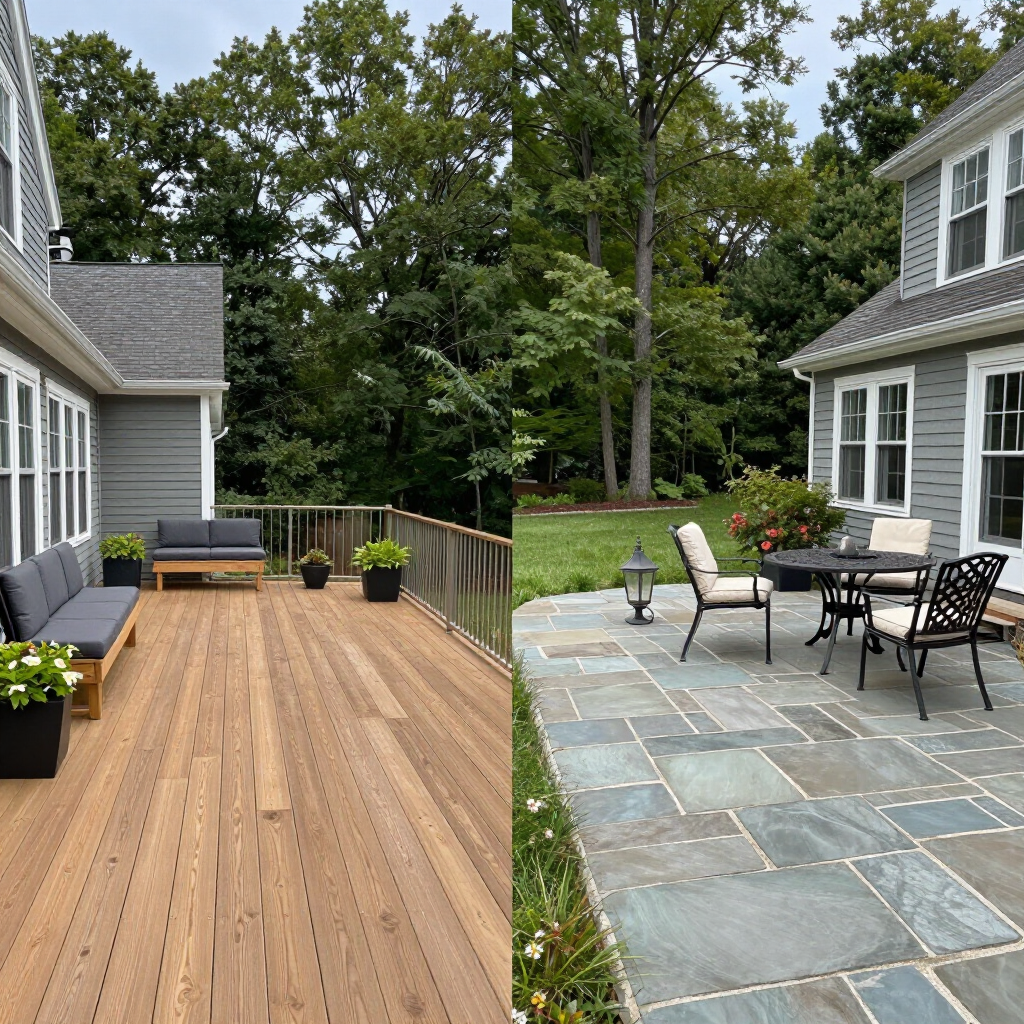
The short answer: both decks and patios can add value, but decks generally offer a higher return on investment in Connecticut due to their elevated functionality, aesthetic appeal, and ability to adapt to sloped properties. However, patios may provide a more affordable and lower-maintenance solution for certain homes.
Understanding the Difference Between a Deck and a Patio
Before comparing value, it's important to understand how decks and patios differ.
What Is a Deck?
A deck is an elevated outdoor structure typically constructed from:
- Pressure-treated lumber
- Composite decking
- PVC decking
- Cedar or hardwood materials
Decks are often attached directly to the home and can include:
- Railings
- Stairs
- Built-in seating
- Pergolas
- Outdoor kitchens
Decks are especially useful on properties with uneven terrain.
What Is a Patio?
A patio is a ground-level outdoor living area usually built using:
- Concrete
- Pavers
- Natural stone
- Brick
Patios create a seamless transition from the home to the yard and often feature:
- Fire pits
- Seating areas
- Outdoor dining spaces
- Walkways
Patios work best on relatively level lots.
Which Option Adds More Home Value?
Decks Often Deliver a Higher ROI
According to remodeling industry reports, decks frequently provide one of the strongest returns among outdoor improvement projects.
Benefits that contribute to higher value include:
- Expanded usable living space
- Attractive appearance
- Enhanced entertaining areas
- Strong buyer appeal
Homebuyers often view a deck as an extension of the home's interior living space.
Patios Also Increase Property Appeal
Patios may not always achieve the same return percentages as decks, but they remain highly desirable.
Many buyers appreciate:
- Low maintenance requirements
- Long lifespan
- Flexible design options
- Outdoor entertaining opportunities
The best choice depends on the specific property and neighborhood.
Cost Comparison: Deck vs Patio
Budget is often a major factor when choosing between the two.
Which Is Better for Connecticut's Climate?
Connecticut experiences:
- Snow
- Ice
- Rain
- Humidity
- Seasonal temperature swings
Your outdoor structure must withstand all of these conditions.
Deck Performance
Modern decking materials offer excellent durability.
Composite decking is particularly popular because it:
- Resists moisture
- Requires less maintenance
- Won't rot easily
- Maintains appearance longer
Many Connecticut homeowners choose composite materials for long-term value.
Patio Performance
Patios also perform well in New England climates.
Properly installed patios can:
- Last decades
- Resist weather damage
- Require minimal maintenance
However, freeze-thaw cycles can occasionally cause shifting if installation is not completed correctly.
Maintenance Requirements
Deck Maintenance
Wood decks generally require:
- Staining
- Sealing
- Cleaning
- Periodic repairs
Composite decks require less maintenance but still benefit from occasional cleaning.
Patio Maintenance
Patios typically require:
- Weed control
- Joint sand replacement
- Periodic cleaning
- Occasional leveling repairs
For homeowners seeking lower maintenance, patios often have the advantage.
Which Option Is Better for Entertaining?
Advantages of Decks
Decks create elevated gathering spaces that offer:
- Better views
- Defined entertaining zones
- Comfortable seating arrangements
- Direct kitchen access
Features such as built-in benches and outdoor kitchens can further enhance usability.
Advantages of Patios
Patios excel at:
- Large gatherings
- Flexible furniture arrangements
- Fire pit installations
- Outdoor dining
Ground-level access can make patios feel more connected to the surrounding landscape.
Property Considerations
When a Deck Makes More Sense
A deck may be the better option if:
- Your yard has significant slopes
- You want elevated views
- You prefer direct access from upper floors
- You plan to create multi-level outdoor spaces
When a Patio Makes More Sense
A patio may be ideal if:
- Your property is relatively flat
- You have a limited budget
- You want lower maintenance
- You prefer a more natural landscape integration
A professional contractor can evaluate your property and recommend the best solution.
Popular Deck Features in Connecticut
Homeowners throughout Middletown, Cromwell, Portland, Glastonbury, Rocky Hill, Berlin, Durham, East Hampton, and surrounding communities often request:
Composite Decking
Benefits include:
- Durability
- Minimal maintenance
- Long lifespan
Built-In Seating
Provides:
- Convenience
- Additional guest space
- Improved aesthetics
Pergolas
Adds:
- Shade
- Visual interest
- Outdoor comfort
Outdoor Lighting
Enhances:
- Safety
- Ambiance
- Evening usability
Popular Patio Features
Common patio upgrades include:
- Fire pits
- Retaining walls
- Outdoor kitchens
- Paver walkways
- Landscape lighting
These features help create complete outdoor living environments.
Environmental and Energy Considerations
Outdoor living spaces encourage homeowners to spend more time outdoors and may reduce indoor energy use during warmer months.
For sustainability-minded homeowners, many modern materials offer eco-friendly options.
External Resource: [EPA Sustainable Landscaping Guide]
Why Professional Installation Matters
Whether you choose a deck or patio, proper installation is critical.
Professional contractors ensure:
- Structural integrity
- Proper drainage
- Code compliance
- Long-term durability
- Attractive design
Poor installation can result in costly repairs and safety concerns.
Why Homeowners Choose Hammer & Nails Construction
Hammer & Nails Construction designs and builds custom decks and outdoor living spaces throughout Middletown, CT and surrounding communities.
Services include:
- Deck construction
- Custom carpentry
- Fence installation
- Outdoor living upgrades
- General contracting
- Home remodeling
Their team helps homeowners select materials and designs that align with their goals, budget, and property characteristics.
Frequently Asked Questions
Does a deck add more value than a patio?
In many cases, yes. Decks often provide a higher return on investment and stronger buyer appeal.
Is a patio cheaper than a deck?
Generally, patios have a lower upfront cost, though project specifics can vary.
What is the best decking material for Connecticut?
Composite decking is one of the most popular choices due to its durability and low maintenance requirements.
How long does a deck last?
A professionally built deck can last 15–30 years or more depending on materials and maintenance.
Can I add a fire pit to a deck?
Yes, but proper safety measures and material considerations are essential.
Ready to Upgrade Your Outdoor Living Space?
Whether you're considering a custom deck, patio, or complete outdoor living area, Hammer & Nails Construction can help you design a solution that enhances your home's beauty, functionality, and value.
Contact Hammer & Nails Construction today to schedule a consultation and discover the best outdoor improvement option for your Connecticut home.
Average Deck Costs
Connecticut deck projects generally range from:
| Deck Type | Estimated Cost |
|---|---|
| Pressure-Treated Wood | $8,000 - $20,000 |
| Composite Decking | $15,000 - $40,000+ |
| Premium Custom Deck | $40,000 - $75,000+ |
Costs vary depending on size, materials, railings, and custom features.
Average Patio Costs
Patio installation costs generally range from:
| Patio Type | Estimated Cost |
|---|---|
| Concrete Patio | $5,000 - $15,000 |
| Paver Patio | $8,000 - $25,000 |
| Natural Stone Patio | $15,000 - $40,000+ |
Patios often require less structural work, making them more affordable initially.
Recent Posts